
Central Alberta highways see their share of deer and elk, especially where the road runs along treelines or open fields — Highway 11 west toward Sylvan Lake, the QEII between Red Deer and Innisfail, and Highway 2A among them. Alberta’s Animal-Vehicle Collision Safety Program exists because of how often that happens province-wide. Dawn, dusk, and fall rutting season are when collisions spike, and even a vehicle that seems fine afterward is worth a proper check before you trust it for the rest of your drive.
Before you drive any further
Check under the vehicle for fluid leaks, look at the dash for any new warning lights, and listen for unusual noises before continuing. If the hood won’t latch properly, a fluid leak is obvious, or you can’t tell whether the radiator is intact, get it towed rather than driven, even a short distance.
| What you observe | What to do |
|---|---|
| No fluid leaks, no new warning lights, no unusual noises | Drive it, but get it inspected soon rather than assuming it’s fine |
| A new warning light or an unusual noise appears | Drive only as far as the nearest shop, not your normal route |
| The hood won’t latch properly, or a fluid leak is obvious | Call for a tow rather than driving, even a short distance |
| You can’t confirm the radiator is intact | Call for a tow rather than driving, even a short distance |
What a wildlife collision typically damages
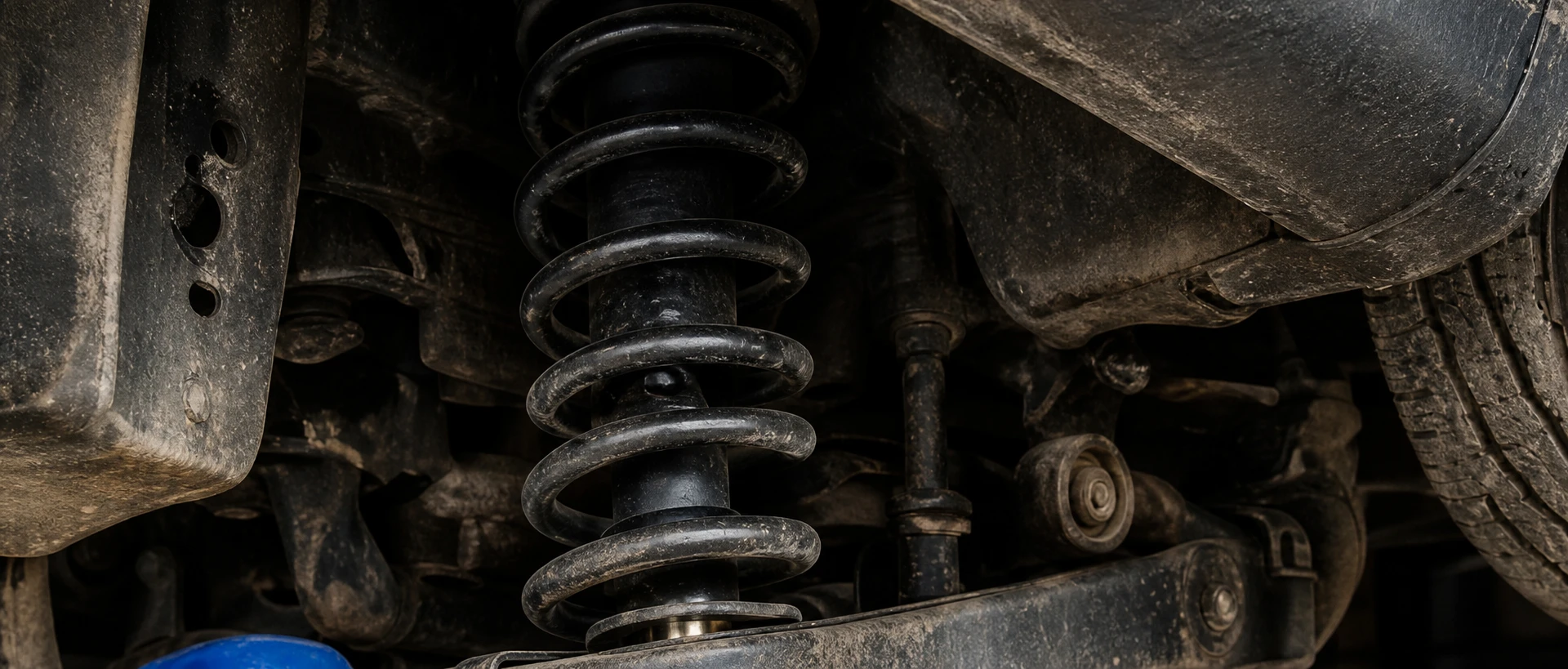
Front-end impacts are the most common: headlights, grille, hood, and radiator support usually take the hit first. Elk, being much larger than deer, can also cause windshield and roof damage. Suspension and frame damage are possible even when the body damage looks minor, particularly at higher speeds, which is why a vehicle that looks driveable isn’t always mechanically sound.
After a collision
Post-collision inspection in Red Deer
We'll check for suspension, cooling, and calibration damage that isn't visible from a walk-around, then call +1 (825) 221-3120.
Getting it properly checked
A diagnostics visit is the right starting point if any warning lights came on or something feels off. If the front end took the impact, it’s worth having the suspension checked for damage that isn’t visible from the outside. And if the windshield cracked or your vehicle relies on a windshield-mounted camera for driver-assistance features, that’s a windshield and calibration conversation before you rely on those systems again.
Reporting and insurance
Requirements for reporting a wildlife collision can depend on the damage and your policy, so check with your insurer or the local RCMP non-emergency line. Photograph the scene and the damage either way, before anything gets repaired.
Getting it checked in Red Deer
Bring the vehicle to Bay 5, 7880 48 Ave. We’ll check for damage that isn’t obvious from a walk-around, from suspension and cooling system concerns to camera calibration if your vehicle needs it, so you know exactly what the collision cost before you’re back on the road.
Frequently asked questions
Is it safe to keep driving after hitting a deer?
Only cautiously, and only as far as the nearest safe place to stop, not your original destination. The real risk isn't what's visible; it's a radiator or suspension component that fails once you're back up to highway speed. If anything changes on the drive, a new sound, a pull to one side, a warning light, stop and call for a tow instead of pushing on.
What kind of damage does a deer or elk collision usually cause?
It depends more on the animal's height than its speed. A deer's lower build tends to catch the bumper and grille; an elk's longer legs put the impact higher, into the hood and windshield line, which is why elk hits reach the roof more often. What doesn't show up in a photo, a bent radiator support or a stressed frame rail, is often the pricier half of the damage.
When are wildlife collisions most likely near Red Deer?
Most concentrated at dawn and dusk, especially through September and October rutting season when animals move more and pay less attention to traffic. Locally, that risk tracks the terrain: stretches like Highway 11 and the QEII run alongside more treeline and open field than roads closer to town.
What should I check immediately after a collision?
The same three things every time, in this order: look underneath for anything dripping, glance at the dash for a light that wasn't on before, then listen once the engine's running. If the impact was near dusk or dawn, also check that your headlights and taillights still work before you continue; a cracked housing can knock one out without breaking the lens.
Do I need to report a wildlife collision?
It depends on the outcome, not the collision itself; a scraped bumper and a cracked frame don't carry the same reporting obligation. Your insurer and the RCMP non-emergency line can tell you which threshold applies to your situation. Whatever you decide, photograph everything before repairs start, since those photos are often the only evidence once bodywork or a windshield gets replaced.
Can a wildlife collision affect a windshield camera or sensors?
If the impact is near the front end and your vehicle uses a windshield-mounted camera or front sensors for driver-assistance features, it's worth having those checked along with the mechanical damage, since even minor misalignment of the camera can affect how those systems work.